
Free Tattoo Size Calculator
Select a body part, optionally add your height/weight, and enter your tattoo dimensions. Get ideal size in inches & cm, a visual size reference, estimated pain level, and session time. No sign-up required—free to use.
1. Select body part
2. Your stats (optional)
Pain Level by Placement
Pain varies by body part (more nerve endings and thinner skin = higher sensitivity). Use this as a rough guide; everyone’s tolerance differs.
Size Guide by Body Part
Recommended tattoo size range, pain level, typical session time, and suitable style types for each placement.
Wrist
Size: 1–3" (2.5–7.5 cm)
Pain: Medium
Session: 0h 30m – 1h 30m
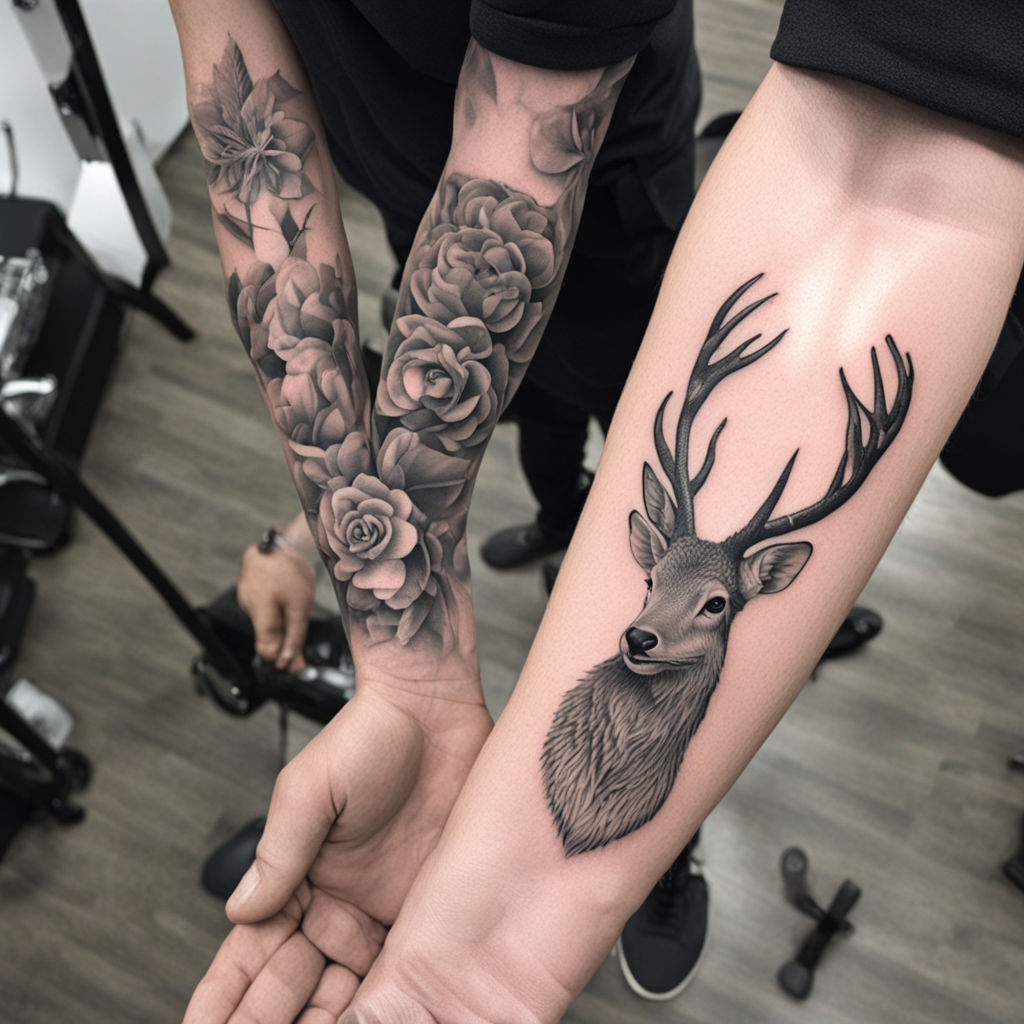
Forearm
Size: 3–6" (7.5–15 cm)
Pain: Low–Medium
Session: 1h 30m – 4h 0m
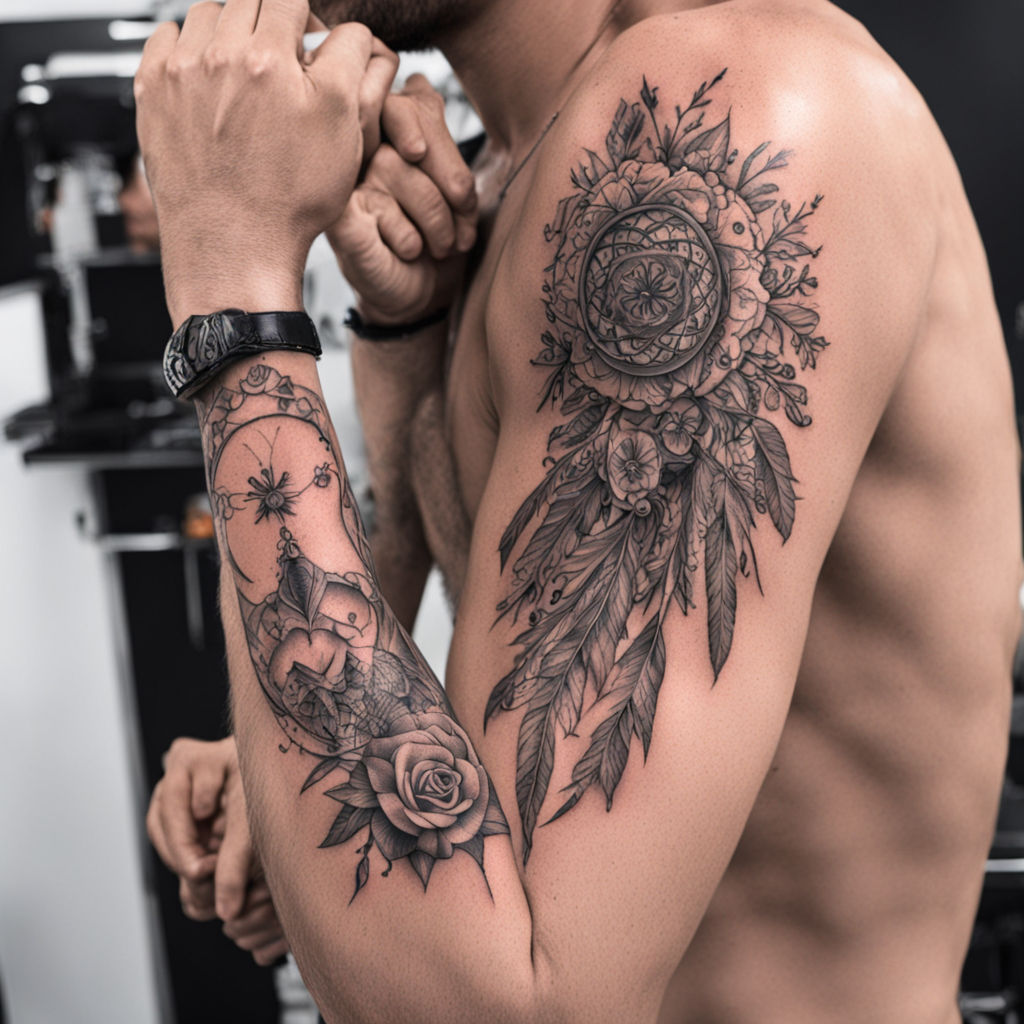
Upper Arm
Size: 4–8" (10–20 cm)
Pain: Low–Medium
Session: 2h 0m – 6h 0m
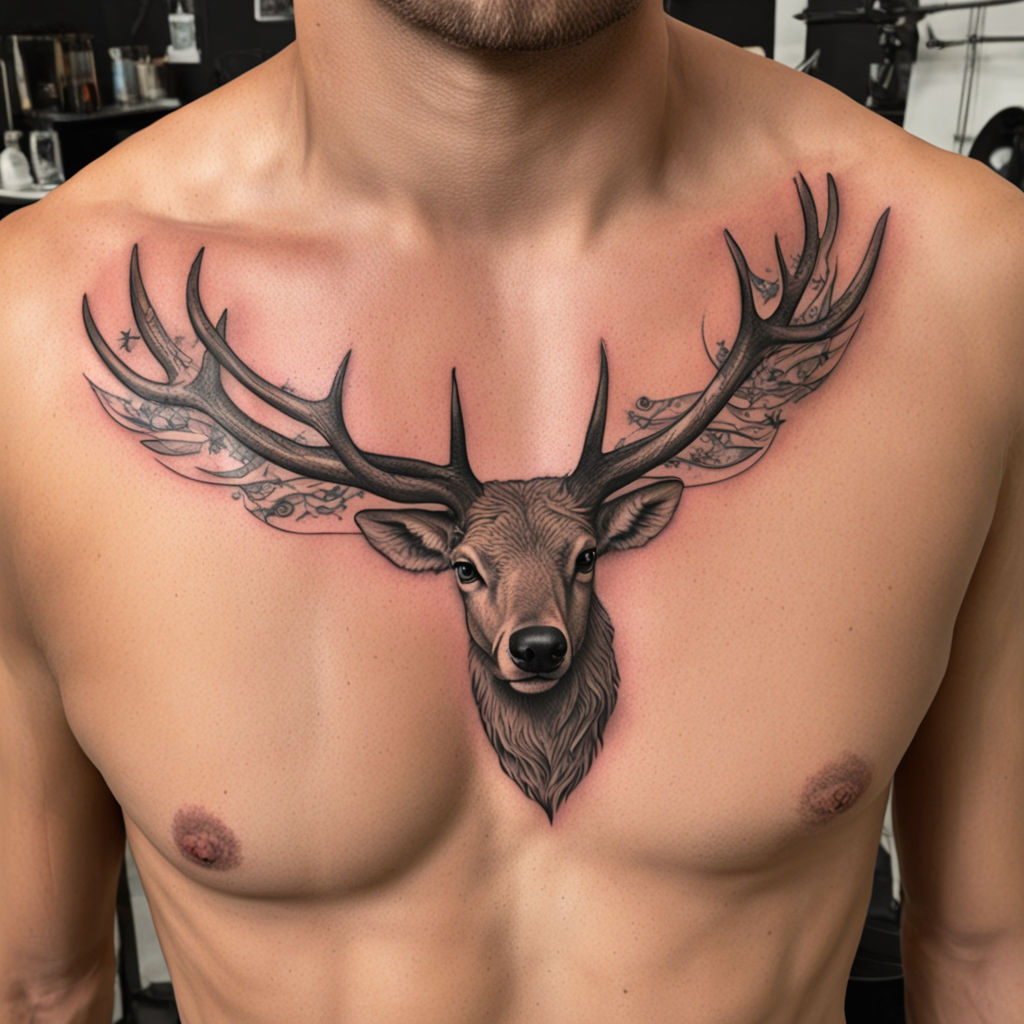
Chest
Size: 5–12" (12.5–30 cm)
Pain: Medium–High
Session: 3h 0m – 8h 0m
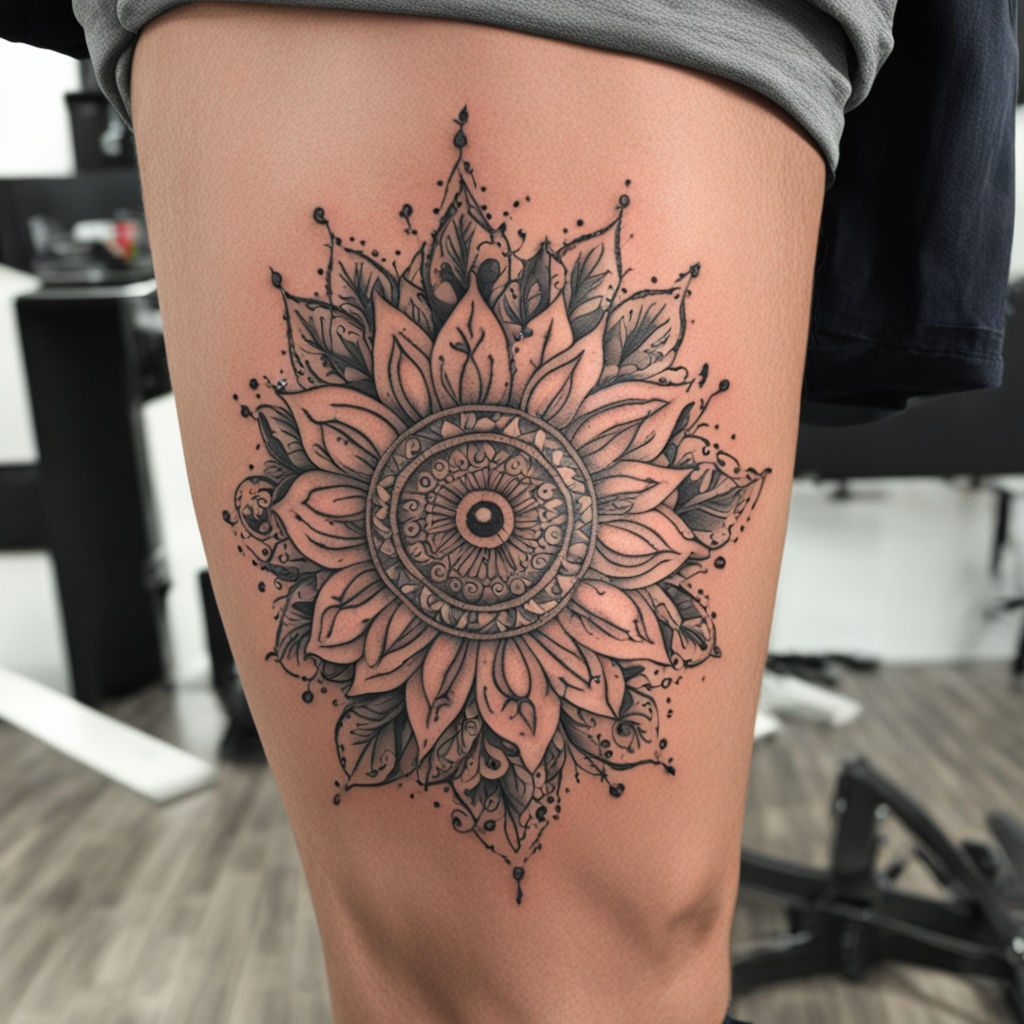
Leg (Thigh / Calf)
Size: 4–10" (10–25 cm)
Pain: Medium
Session: 2h 0m – 7h 0m
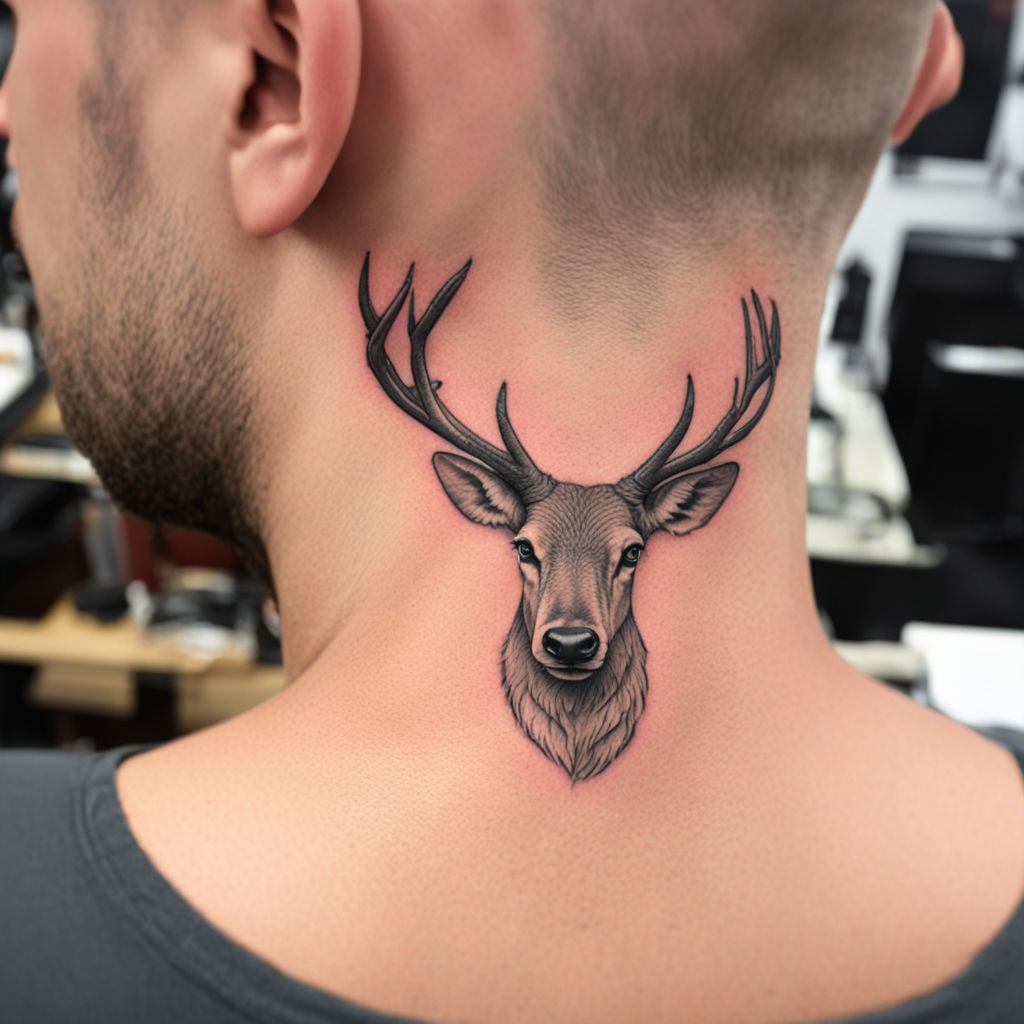
Neck
Size: 2–5" (5–12.5 cm)
Pain: Medium–High
Session: 0h 45m – 3h 0m
Style Types for Your Tattoo
Different styles work better at different sizes and placements. Use the calculator above with your chosen body part to see which styles suit your size.

Traditional

Realistic

Minimalistic

Water color

Japanese

Dotwork

Geometric

Surreal

Sketch

Old School
Why Tattoo Size Matters
Choosing the right tattoo size affects how your design looks, how long it takes to heal, and where it can go on your body. A design that’s too small for its detail can blur over time; one that’s too large for the placement can feel overwhelming or not fit the area well.
Tattoo size also influences pain level, session length, and cost. Larger tattoos usually mean more time under the needle and higher price. Using a tattoo size calculator helps you decide dimensions before you sit down with your artist, so you can discuss placement and scale with confidence.
- Detail retention — Intricate designs need enough space so lines don’t merge as the skin ages.
- Healing time — Smaller tattoos often heal in 2–3 weeks; large pieces can take 4–6 weeks or more.
- Placement options — Wrists and fingers suit small tattoos; backs and thighs can carry large or extra-large pieces.
- Cost and sessions — Size directly affects how many sessions you need and total cost.
Tattoo Size Categories Explained
Tattoos are often grouped by the longest dimension (width or height). These categories help artists and clients agree on scale and placement. Below is a quick reference; our calculator uses the same logic to recommend a category from your dimensions.
Micro
Up to 1″ (2.5 cm)
Very small accents: tiny symbols, single letters, minimal dots. Best on fingers, behind the ear, or small wrist spots.
Tiny
1″–2″ (2.5–5 cm)
Small designs: initials, small flowers, minimal line work. Suits wrist, ankle, collarbone, back of neck.
Small
2″–4″ (5–10 cm)
Classic small tattoos: hearts, stars, small animals, short script. Works on inner arm, calf, wrist, ankle.
Medium
4″–6″ (10–15 cm)
Flash-sized pieces: larger flowers, portraits, band-style designs. Ideal for forearm, upper arm, shoulder, thigh, upper back.
Large
6″–10″ (15–25 cm)
Statement pieces: full forearm bands, large back or chest panels. Fits back, chest, thigh, full upper arm.
Extra Large
10″+ (25+ cm)
Sleeves, full back pieces, full leg or torso work. Requires multiple sessions and careful planning.
Body Placement Guide by Size
Different body areas have different “canvas” sizes and curvatures. Matching your tattoo size to the right placement improves balance and longevity. Here’s a concise guide.
Small areas (micro to small tattoos)
Wrist, fingers, top of foot, ankle, behind the ear, back of neck, knee cap. These spots suit designs under roughly 4″ (10 cm) on the longest side. Simple, bold lines age better in small areas.
Medium areas (small to medium tattoos)
Forearm, calf, shin, neck side, shoulder, upper arm, shoulder blade, sternum, inner thigh. These can comfortably take 4″–6″ (10–15 cm) designs and work well for script, florals, and medium detail.
Large areas (medium to extra-large tattoos)
Upper back, lower back, chest, stomach, hip, ribs, full thigh. These support 6″+ and full sleeves or large panels. Plan with your artist for multi-session pieces and composition.
Tips for Choosing the Right Tattoo Size
- 1.Use our calculator first. Enter your desired width and height in cm or inches to see the recommended category and placements before consulting an artist.
- 2.Consider detail level. Fine lines and small text need more space than bold outlines. When in doubt, go slightly larger to preserve clarity over time.
- 3.Think about visibility. If you need to cover it for work, smaller placements (inner arm, thigh, back) are easier to hide than full forearm or hand pieces.
- 4.Match the body curve. Flat areas (shin, outer arm) suit geometric or symmetrical designs; curved areas (shoulder, ribs) can wrap designs nicely but need careful sizing.
- 5.Discuss with your artist. Bring reference dimensions (e.g. from this calculator) so you and your artist are aligned on scale and placement before the first session.